
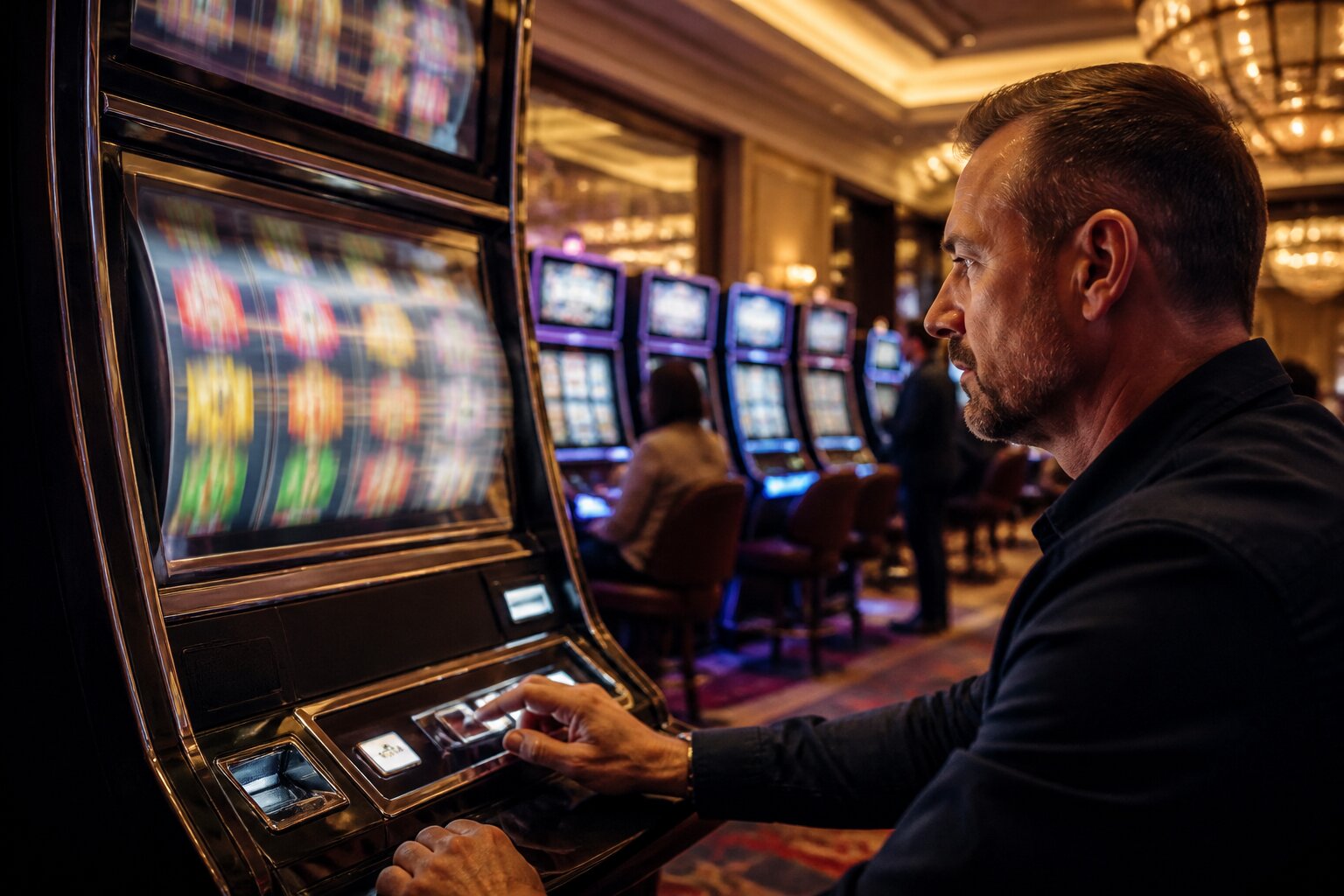
Ever wondered if spinning the reels at lightning speed could help you win more, or if taking it slow gives you an edge? The pace at which you play slots isn’t just about personal preference — it shapes the way the session feels and how long your money lasts.
Whether you prefer rapid-fire spins or savouring each moment, the speed you choose changes the experience. Read on to explore how fast and slow play differ, and discover which pace might suit you best.
How Does Slot Speed Influence the Game?
The most important technical point is simple: each spin is determined by a random number generator, so the outcome of a single spin is unaffected by how quickly you play. What changes with speed is the rhythm of the session and how many spins you get through in a set period.
Playing quickly compresses the action. You’ll see results closer together, experience more features and bonus rounds in the same time, and feel a greater sense of urgency. That intensity can be entertaining, especially on feature-packed titles that deliver frequent animations and sound cues.
Slower play spreads the same action over a longer period. It gives space to take in visuals and sound, to consider your stake choices, and to enjoy each bonus feature without feeling rushed. Slower sessions often stretch a budget further simply because fewer bets are placed per minute.
Both approaches are about personal experience rather than changing the game's maths. With that in mind, the next section looks at what fast play does well and what to watch out for.
What Are the Benefits of Playing Slots Quickly?
Fast play makes sessions feel energetic and continuous. Players who enjoy a brisk tempo see more spins in an hour, which can create a compelling, immersive flow — especially on games designed with rapid feedback and short animations.
There are clear entertainment benefits: faster sessions tend to deliver more immediate outcomes and a higher density of features, which appeals to players who like constant motion. Fast play also suits people who have limited time and want a compact burst of activity rather than a long, leisurely session.
On the practical side, faster play increases the number of bets placed in a given time, so losses can accumulate more quickly if the session runs longer than planned. That makes it helpful to set limits beforehand and to be mindful of how bankroll reduces as spins add up. A brief pause now and then can help reassess whether to continue, shift stakes or stop.
With the feel of fast play explained, it’s worth exploring how a slower pace changes the session dynamic and what advantages that brings.
Is There an Advantage to Slowing Down Your Slot Play?
Taking a measured approach gives sessions a calmer, more deliberate character. Slower play makes it easier to appreciate a game's design — the art, the sounds and the pacing of bonus rounds — turning a gambling session into a more relaxed form of entertainment.
From a budgeting perspective, fewer spins per hour means money lasts longer and there’s more time to notice spending patterns. Pausing between spins provides opportunities to reflect, decide whether to adjust stakes, or to stop if the session isn’t enjoyable. Slower play can also reduce the chance of impulsive decisions that occur when action is relentless.
A slower pace may suit players who treat slots as an occasional pastime and prefer to stretch a set budget over time. The next section addresses a common question about speed and outcomes to clear up remaining confusion.
Does Slot Speed Affect Your Odds of Winning?
The odds on any given spin are set by the game's design and controlled by its random number generator. Speed does not alter those odds or the machine’s payout structure. Faster sessions simply expose a player to more independent outcomes within the same time frame; slower sessions expose fewer.
There are no timing tricks or rhythm-based methods that change the underlying probabilities. Players choosing their pace should do so for reasons of enjoyment or bankroll management rather than any expectation of improved odds.
Having covered the technical side, the following section tackles widespread misunderstandings that often influence how people play.
Common Myths About Slot Machine Speed
Several persistent myths colour how players think about slot speed. One is that spinning faster will somehow produce a streak of wins; another is that a machine becomes ‘due’ to pay after a dry spell. Both ideas conflict with how outcomes are produced: each spin is independent, and prior results do not affect future ones.
These misconceptions can lead to poor choices, such as chasing perceived patterns or increasing stakes in response to a run of losses. Recognising that timing and past outcomes don’t confer any predictive power helps keep decision-making clear and grounded in the actual mechanics of the game.
Clearing up myths makes it easier to pick a playing pace that matches personal goals, which leads naturally into practical considerations for setting that pace.
Tips for Setting Your Ideal Slot Pace
Choosing the right speed comes down to personal preference and sensible budgeting. Decide on a time window and a spending limit that match the level of enjoyment you want, then choose a pace that aligns with those parameters. If the aim is a short, intense session, a quicker tempo fits. If you want to extend play and focus on entertainment value, slow down.
Use available tools to support your decisions: session timers and deposit controls can help keep play within set bounds. Take occasional breaks to reassess how the session is going, and be prepared to change pace if the current approach isn’t working.
Above all, treat play as entertainment and keep any fundraising or investment-like thinking out of the decision process. The way you pace a session should enhance enjoyment without compromising control. In the final section we summarise the trade-offs to help you decide which approach suits you best.
Conclusion: Should You Play Fast or Slow?
There is no single correct speed — fast play suits those seeking adrenaline and compact sessions, while slower play benefits players who want to stretch their budget and savour the experience. Speed does not affect the statistical chances of any spin; it only changes how many spins occur in a given time and how the session feels.
Choose a pace that aligns with how much time you have, how much you want to spend, and the kind of experience you find enjoyable. Set clear limits, use available controls, and adjust your tempo if it stops fitting your goals. That way you get the most from your session while keeping play safe and under control.
**The information provided in this blog is intended for educational purposes and should not be construed as betting advice or a guarantee of success. Always gamble responsibly.