
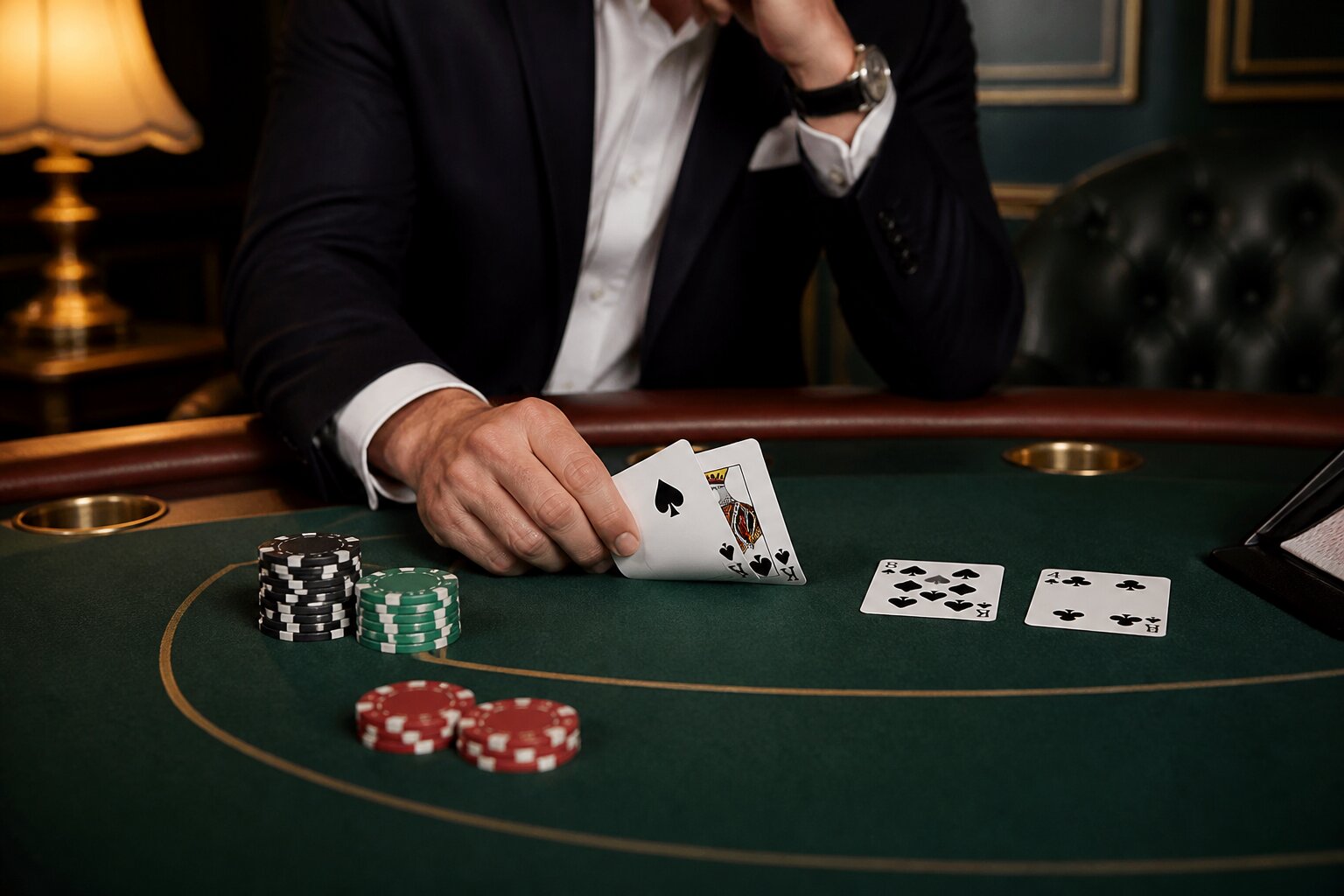
If you enjoy the core challenge of blackjack but want something that changes the rhythm of play, Blackjack Switch might catch your eye. It keeps the familiar aim of reaching 21 without going over but adds a mechanic that alters decision-making and risk management.
This article compares the two games in detail: how each is played, where the rules differ, how payouts compare, and what to expect at the table. Read on and you’ll be able to pick the version that best matches how you like to play.
What Is Blackjack Switch?
Blackjack Switch is a variation on traditional blackjack in which each player receives two hands instead of one. After the initial deal, players may swap the top card between their two hands — the “switch” — to try to form stronger combinations.
Players still aim to reach 21 without busting, and bets are placed on each hand separately. The game is designed for adults aged 18 or over and is offered in both online and land-based casinos. The switch option creates new strategic choices because it changes how hands develop and how the dealer’s outcomes affect those hands.
If you’re unfamiliar with basic blackjack terms like hitting, standing or doubling, the standard mechanics carry across, but the dual-hand format changes how those choices are weighed.
How Do The Rules Differ Between Blackjack Switch And Classic Blackjack?
Several rule changes set Blackjack Switch apart from classic blackjack.
- Number of hands: Players place two equal bets and receive two separate hands in Blackjack Switch, whereas classic blackjack involves a single hand per betting spot.
- The switch option: After the initial deal, players may exchange the top cards between their two hands. This choice allows reconfiguration of both hands simultaneously and introduces different strategic considerations.
- Blackjack payout: Classic blackjack typically pays 3:2 for a natural blackjack. In many Blackjack Switch games, a natural blackjack pays even money (1:1), which alters the expected return on those hands.
- Dealer outcomes: In many versions of Blackjack Switch, if the dealer’s hand totals 22, that result pushes against active player hands rather than causing dealer wins. Classic blackjack treats dealer busts as losses for the dealer.
- Other rules: Doubling, splitting and insurance usually exist in both formats but may be subject to specific table rules, so it’s wise to check the house rules before you play.
These differences mean the strategic emphasis shifts: the switch feature rewards hands that can be improved by recombining cards, while payout and dealer-rule changes offset that advantage.
Now that the rule distinctions are clear, the next question is how those changes affect what you actually win.
Which Version Offers Better Payouts?
The most notable payout distinction concerns the payout for a natural blackjack.
In classic blackjack, a natural blackjack frequently pays 3:2, which improves your return on that specific hand. In Blackjack Switch, naturals commonly pay 1:1, so a hand that would be more lucrative in the classic game is worth less in the Switch variant.
Another payout-related factor is how dealer 22s are treated. When dealer 22s push in Blackjack Switch, players retain stakes but do not win, which changes the flow of wins and reduces the overall payout frequency compared with classic blackjack where dealer busts generally favour the player.
Both games balance risk and reward differently: Blackjack Switch gives extra tactical options via the switch, but the payout structure and dealer rules are adjusted to compensate. That balance is reflected in the statistical house edge discussed below.
Why Do Some Players Prefer Blackjack Switch?
Players who favour Blackjack Switch often cite the added decision-making and variety as the main attraction. Managing two hands means more choices each round, and the switch option creates moments where a single decision can transform both hands simultaneously.
Some players like the mental engagement of evaluating combinations and anticipating how swapping top cards affects overall outcomes. Others simply enjoy breaking up the rhythm of standard play and having a different focus during each deal.
If you prefer a simpler, more repetitive challenge where each round involves fewer simultaneous choices, classic blackjack may be more appealing. The preference comes down to whether you enjoy the extra layer of interaction the switch introduces or the clean, single-hand flow of the classic game.
Let’s look at how difficult the games feel when you play them.
Is Blackjack Switch Easier Or Harder To Play?
Blackjack Switch adds complexity by asking players to consider two hands and a potential swap after the initial deal. That extra decision point raises the cognitive load: you’re not just evaluating one hand, you’re assessing how two hands work together.
For players comfortable with basic blackjack strategy, the additional choices can be learned and incorporated into play without much trouble. For newcomers, the simultaneous management of two hands may feel more demanding until familiar patterns emerge.
Ultimately, the perceived difficulty depends on experience and play style. If you enjoy tactical choices and analysing combinations, the game can feel intuitive. If you prefer a straightforward, single-decision round, classic blackjack will likely feel easier and faster.
Next, some common misconceptions about Blackjack Switch are worth clearing up so you have realistic expectations.
Common Myths About Blackjack Switch
A number of misconceptions circulate about Blackjack Switch, and clearing them up helps set realistic expectations.
One myth is that switching always produces a stronger configuration. In practice, swapping sometimes creates better hands and sometimes makes them weaker; the outcome depends on the cards presented.
Another misunderstanding is that Blackjack Switch is easier to beat than classic blackjack. While the switch can improve certain hands, the rule adjustments — such as lower payouts for naturals and pushes on dealer 22 — are designed to offset that advantage.
Some players believe tracking previous rounds will help predict future outcomes. Card distribution in modern casino and online environments is subject to shuffling and randomisation procedures that prevent reliable prediction from past hands.
Overall, no single tactic guarantees consistent wins; the game is governed by probability and the house edge, and results vary round to round.
With the myths addressed, let’s examine the mathematics behind each game.
How Do House Edge And Odds Compare?
The house edge quantifies the casino’s long-term advantage and varies with rule sets and player decisions.
Classic blackjack played with favourable rules and strong strategy can yield a house edge in the region of 0.5% to 1.0%. That range depends on factors such as the number of decks, dealer behaviour on soft 17, double-after-split allowances and payout for naturals.
Blackjack Switch generally carries a higher house edge, often around 0.8% to 1.5%, because the game compensates for the strategic switch option with lower natural payouts and specific dealer rules like pushing on 22. Exact figures depend on the table’s rule variations and how closely a player follows optimal strategy.
These percentages assume best-practice play. Deviations from strategic decisions can increase the effective house edge you face during actual sessions.
Now consider what playing each game feels like at the table.
Player Experience: What To Expect From Each Game
Classic blackjack delivers steady, focused play. Rounds are straightforward: you control one hand and make a small number of decisions. Betting limits vary across tables, so it’s easy to find a stake that fits your budget and tempo.
Blackjack Switch offers a livelier pace of decision-making because each round involves two simultaneous hands and the switch option. The need to place two bets per round means your stake commitment is doubled, which can affect bankroll management and how long a session lasts.
Both formats appear across a wide range of stakes and table environments. Choosing a table with rules you understand and wagers you are comfortable with helps ensure a positive experience, regardless of which variant you pick.
Conclusion: Which Game Should You Choose?
Choosing between classic blackjack and Blackjack Switch comes down to what you want from play. If you value simplicity, quicker rounds and the traditional payout structure, classic blackjack is the natural choice. If you enjoy extra strategic choices, like managing two hands and using the switch to reconfigure deals, Blackjack Switch offers more variety.
Neither version guarantees better outcomes; each balances decisions, payouts and dealer rules in different ways. Select the game that suits your temperament and bankroll, and be mindful of limits. If gambling ever feels problematic, support is available from organisations such as GamCare and BeGambleAware. Enjoy your games responsibly and make choices that keep play enjoyable.
**The information provided in this blog is intended for educational purposes and should not be construed as betting advice or a guarantee of success. Always gamble responsibly.